
Financial Institution Vehicle Transport
Banks, lenders, credit unions, leasing companies and other financial institutions sometimes need vehicles moved after they are recovered, returned, released or otherwise placed back under institutional control.
Heights Transport Solutions coordinates vehicle transportation from storage facilities, recovery lots, dealerships and other locations to auctions, buyers, remarketing destinations and other facilities.
Vehicle Transport After Recovery
Once a vehicle has been recovered or released, the next step is often getting it to the location where it can be inspected, stored, sold or otherwise handled.
Heights does not perform repossession or recovery services. We coordinate transportation after the vehicle is available for pickup and the appropriate release information has been provided.
That distinction matters because the transport company needs clear authorization and pickup details before a carrier arrives.
Moving Vehicles to Auction or Remarketing
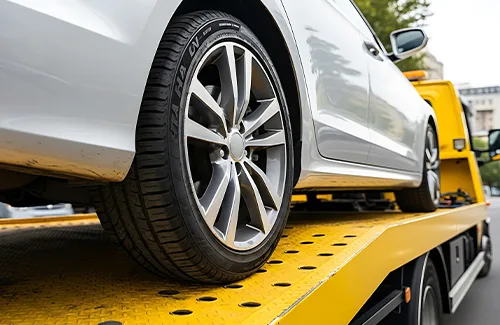
Financial institutions may need vehicles transported to auctions, dealerships, buyers or other disposition locations once they are ready to leave storage.
For vehicles headed to auction, Heights can also coordinate auction vehicle transport based on the pickup location, release requirements, vehicle condition and timing.
Moving the vehicle efficiently helps reduce the amount of time it spends sitting between recovery and its next step.
Returned and Off-Lease Vehicles
Not every institution-owned vehicle is the result of recovery.
Returned, off-lease or otherwise surrendered vehicles may also need transportation to inspection centers, dealerships, auctions, storage facilities or buyers.
The transportation process still depends on the same basics: accurate pickup information, vehicle condition, release authorization and a clear destination.
Non-Running and Damaged Vehicles
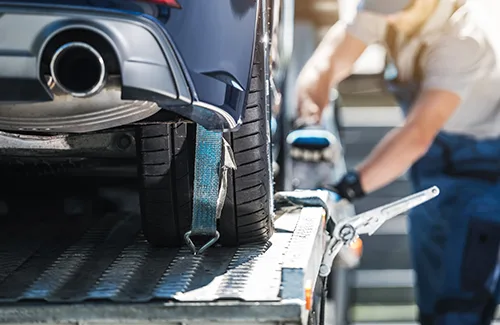
Institution-owned vehicles are not always in perfect working condition.
If a vehicle does not run, has collision damage or requires special loading considerations, that information should be provided before transport is arranged.
Heights can then look for a carrier with equipment appropriate for the vehicle's condition and pickup location.
One Vehicle or Multiple Units
Financial institutions may need a single vehicle moved or several vehicles coordinated over time.
Multiple units may be able to move together depending on their locations, destinations, vehicle size, timing and available trailer capacity.
When vehicles are coming from different recovery or storage locations, transportation may require separate carriers or schedules rather than one consolidated move.
Open and Enclosed Transport Options
Most standard vehicles can be transported using open auto transport.
Enclosed auto transport may be appropriate for luxury, collector or other higher-value vehicles where additional protection from weather and road debris is important.
The right option depends on the vehicle, destination, value, timing and handling requirements.
Documentation and Pickup Authorization Matter
Financial institution transport often involves more than the person arranging the move and the carrier.
The vehicle may be sitting at a recovery facility, storage lot, dealership or auction that requires specific authorization before release.
Providing the correct contact information, release details, vehicle identification and pickup instructions helps prevent a carrier from arriving before the vehicle can legally or operationally be released.
Timing Can Affect Storage and Remarketing
A vehicle waiting at a storage or recovery facility may continue generating fees or delaying the next step in the remarketing process.
That makes pickup timing important, particularly when the vehicle has a release deadline, scheduled auction date or buyer waiting for delivery.
If a move has a narrow timeline, expedited auto transport may be considered depending on the route and carrier availability.
What Financial Institution Vehicle Transport Costs
Transport pricing can depend on distance, route, vehicle size, operability, pickup location, timing, transport type and carrier availability.
Non-running vehicles or locations with limited access may require additional equipment or coordination.
For more information about the factors that influence pricing, see our auto shipping cost guide.
Clear Communication Helps Keep Assets Moving
These moves may involve lenders, recovery companies, storage facilities, auctions, dealerships, buyers and carriers.
Clear pickup instructions, release information and delivery contacts help keep everyone working from the same information.
The goal is straightforward: once the vehicle is available for transport, get it from its current location to the next destination without creating another bottleneck in the process.
Frequently Asked Questions
No. Heights coordinates vehicle transportation after a vehicle has been recovered, released or otherwise made available for pickup.
Yes. Heights can coordinate transportation from recovery or storage locations to auctions and other remarketing destinations once the vehicle is released for pickup.
Yes. The vehicle's condition should be provided in advance so Heights can look for a carrier with the appropriate loading equipment.
Requirements vary by location, but common information includes the vehicle identification, pickup address, release authorization, facility contact, delivery location and vehicle condition.
Yes. Multiple vehicles can be coordinated based on their locations, destinations, timing, size and available carrier capacity.
Common factors include distance, route, vehicle size, operability, pickup location, timing, transport type and carrier availability.