
How Long Does It Take to Ship a Car?
Car Shipping Time Includes More Than the Drive
How long it takes to ship a car depends on more than the number of miles between pickup and delivery. There is time spent coordinating the shipment and assigning a carrier, followed by the actual transit time once the vehicle is loaded.
A shorter trip may only require a few days of travel once the vehicle is picked up, while a cross-country shipment can take a week or longer. The route, pickup and delivery locations, weather, traffic, carrier availability and type of transport can all affect the timeline.
That is why auto transport dates are generally treated as estimates and windows rather than exact appointment times.
Pickup Time and Transit Time Are Two Different Things
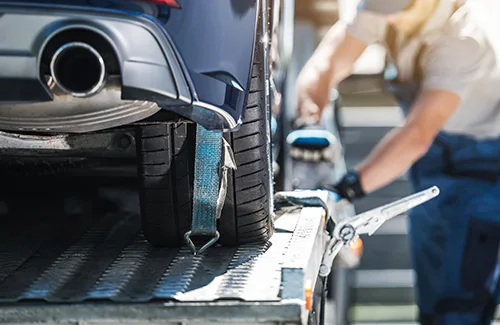
One of the easiest parts of auto shipping to misunderstand is the difference between waiting for pickup and the time your vehicle actually spends in transit.
Before the vehicle moves, a carrier has to be available that can accommodate the vehicle, route and requested timing. Depending on the route and current demand, that may happen quickly or take additional coordination.
Once the vehicle is picked up, transit time begins. At that point, the distance to the destination becomes a major factor, but the driver is still operating a multi-vehicle route rather than making a nonstop trip with only your car.
What Affects How Long Auto Shipping Takes?
Distance: The farther your vehicle has to travel, the longer the transit generally takes. A regional shipment and a coast-to-coast shipment naturally require very different amounts of driving time.
Route: Major transportation corridors tend to have more regular carrier traffic. Less common routes may take additional time to coordinate, especially when they require the driver to travel far from an existing route.
Pickup and delivery locations: Major cities and locations near interstate highways are generally easier for carriers to access. Rural areas, narrow streets, limited-access neighborhoods and other difficult locations can require additional planning or an alternate meeting point.
Carrier availability: Auto carriers choose loads based on their routes, schedules and available trailer space. The number of carriers moving through an area at a particular time can affect how quickly a vehicle is picked up.
Season and demand: Certain routes become busier at different times of year. Seasonal moves, holidays and other changes in demand can affect both carrier availability and scheduling.
Weather and road conditions: Snow, storms, flooding, traffic, construction and road closures can slow a carrier after the vehicle is already in transit.
Transport type: Open transport is the most common form of auto shipping and typically has more carrier availability. Enclosed transport uses a smaller pool of specialized carriers, which can sometimes require additional scheduling time.
Why Pickup and Delivery Dates Are Usually Windows
Car carriers do not operate like parcel delivery trucks with a fixed stop every few minutes. A driver may be picking up and delivering several vehicles along the same route, and timing at one stop can affect every stop that follows.
Traffic, weather, loading delays, mechanical issues and changes to other pickups or deliveries can all move the schedule slightly. For that reason, pickup and delivery are generally communicated as windows rather than exact times far in advance.
Once a carrier is assigned and the route is underway, the estimated timing usually becomes more specific because there is an actual driver, truck and schedule to work from.
Can You Ship a Car Faster?
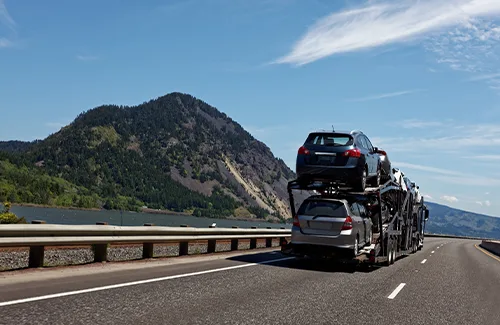
Sometimes. If timing is more important than flexibility or price, expedited auto transport may provide additional options for getting a vehicle picked up sooner.
Being flexible in other areas can also help. A customer who can meet a carrier near a major route, accept a wider delivery window or use open transport may have more carrier options than someone with very specific pickup, delivery and equipment requirements.
Expedited service still does not turn auto transport into overnight parcel delivery. Distance, driving regulations, weather, traffic and conditions along the route still affect how quickly the vehicle can physically reach its destination.
Planning Around Your Vehicle Delivery
If you are shipping a vehicle as part of a move, vacation, school schedule or other time-sensitive event, it is a good idea to leave some room around the estimated delivery date.
Avoid planning something that absolutely requires the vehicle to arrive at a specific hour unless that timing has been discussed as part of the shipment. Auto transport schedules involve too many variables on the road for a normal shipment to function like a guaranteed appointment.
If you have a firm deadline, make that clear when requesting your quote. Knowing what actually matters about your schedule makes it easier to determine the transport options available for your move.
Frequently Asked Questions
It depends mainly on distance, route and carrier availability. Shorter trips may take only a few days once the vehicle is picked up, while cross-country transport can take a week or longer.
Not necessarily. Pickup scheduling and actual transit time are two different parts of the process. A carrier must first be assigned and reach the pickup location before transit begins.
Drivers are usually transporting multiple vehicles along a route. Traffic, weather, loading delays, road conditions and changes at earlier stops can all affect when the carrier reaches your destination.
It can. Locations away from major highways and common carrier routes may take additional time to coordinate because fewer drivers are already traveling through the area.
Yes. Severe weather, snow, flooding, road closures and other unsafe driving conditions can slow a carrier and affect the estimated delivery schedule.
Expedited transport can help when faster pickup is important, but it cannot eliminate normal transit factors such as distance, traffic, weather and required driving time.