
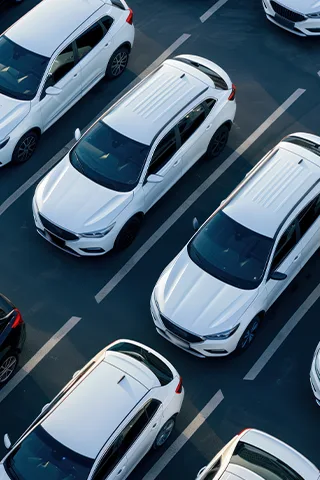
Fleet Vehicle Transport Services
Managing a fleet means vehicles are rarely standing still for long. They may be added, replaced, reassigned, repaired, sold or moved between facilities as the needs of the business change.
Heights Transport Solutions coordinates vehicle transportation for fleet managers and businesses that need cars and light-duty vehicles moved without using their own drivers or adding unnecessary mileage to the vehicles.
Vehicle Transport Throughout the Fleet Lifecycle
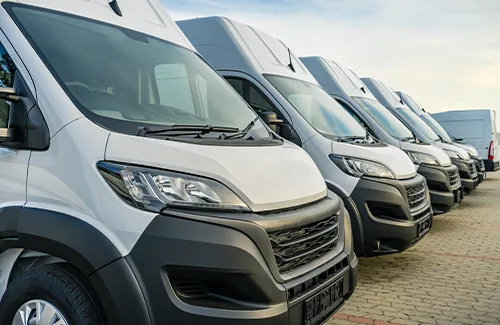
Fleet management covers much more than keeping track of vehicles currently on the road. Vehicles enter the fleet, change assignments and eventually leave it.
Transportation may be needed when a company purchases new vehicles, transfers vehicles between locations, sends units for specialized service or repairs, replaces older vehicles or moves vehicles for resale or remarketing.
That makes transportation a practical part of business vehicle logistics, especially for organizations operating across multiple locations.
Moving Vehicles Between Business Locations
Vehicles sometimes need to be where the business needs them rather than where they happen to be today.
A fleet may need cars transferred to another branch, reassigned to employees in another state, consolidated at a central location or distributed after a purchase.
Professional transport allows those vehicles to be relocated without sending an employee on a long drive or adding unnecessary mileage before the vehicle reaches its next assignment.
Fleet Acquisitions and Replacements
Adding or replacing fleet vehicles can create transportation needs at both ends of the process.
Newly purchased vehicles may need to be moved from a dealership, auction or other location into the fleet. Older vehicles may need to be transported to an auction, dealer, buyer or another destination when they are removed from service.
Vehicle acquisition and eventual disposal or remarketing are recognized parts of fleet lifecycle management.
For vehicles purchased through auctions, Heights also provides auction vehicle transport.
Keeping Mileage Off Vehicles in Transit
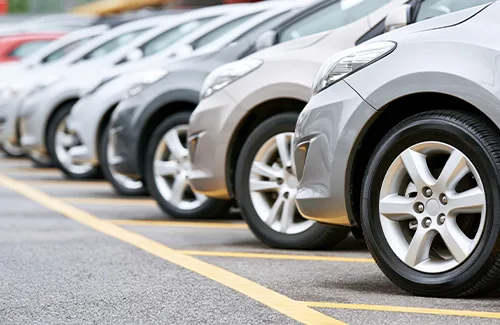
Driving a vehicle from one company location to another gets it there, but it also puts mileage, fuel use and employee time into a trip that may have nothing to do with the vehicle's actual job.
Auto transport gives fleet managers another option when vehicles need to be repositioned over longer distances or when assigning someone to drive them is impractical.
This can be especially useful when several vehicles need to move or when the pickup and delivery locations are in different states.
Open and Enclosed Fleet Transport
For most standard fleet vehicles, open auto transport provides a practical and economical way to move vehicles.
Enclosed auto transport may be appropriate when the fleet includes specialty, luxury, executive or other vehicles that require additional protection from weather and road debris.
The appropriate transport method depends on the vehicle, route, timing and handling requirements.
Timing and Multi-Location Coordination
Fleet moves can involve more than a simple pickup address and delivery address. Vehicles may be located at branch offices, dealerships, repair facilities, auctions, storage locations or employee locations.
Providing accurate vehicle information, contact details and scheduling requirements helps Heights coordinate the carrier around those locations.
If a vehicle must move within a particularly narrow timeframe, expedited auto transport may be available depending on the route and carrier availability.
What Affects Fleet Transport Cost
Fleet vehicle transport pricing can vary based on distance, route, vehicle size, number of vehicles, whether the vehicles are operable, transport type, seasonal demand and the flexibility of the pickup and delivery schedule.
Moving multiple vehicles does not necessarily mean every unit will travel on the same truck. Carrier capacity, vehicle locations and destinations all affect how a shipment can be coordinated.
For a broader explanation of transportation pricing, see our guide to auto shipping costs.
Communication Matters When Vehicles Are Business Assets
For a fleet manager, a vehicle waiting for transport is not simply a car sitting in a driveway. It may be an asset needed at another location, a replacement waiting to enter service or a vehicle that needs to leave the fleet.
Clear pickup and delivery expectations help businesses plan around those moves and keep the people responsible for the vehicles informed as transportation is coordinated.
The goal is simple: move the vehicle to the location where the business needs it next, without making the fleet manager personally solve the transportation puzzle every time.
Frequently Asked Questions
Yes. Multiple vehicles can be coordinated based on their locations, destinations, size, timing and available carrier capacity.
Yes. Heights can coordinate vehicle transport between offices, branches, dealerships, storage facilities and other pickup and delivery locations.
Yes. Vehicles can be transported from dealerships, auctions and other sellers to the location where they will enter service.
Yes. Vehicles can be moved to dealerships, auctions, buyers, storage facilities or other destinations when they are being reassigned or removed from service.
Most standard fleet vehicles can be transported on an open trailer. Enclosed transport may be appropriate for specialty, luxury or other vehicles that need additional protection.
Common factors include distance, route, vehicle size, number of vehicles, operability, trailer type, timing and carrier availability.