
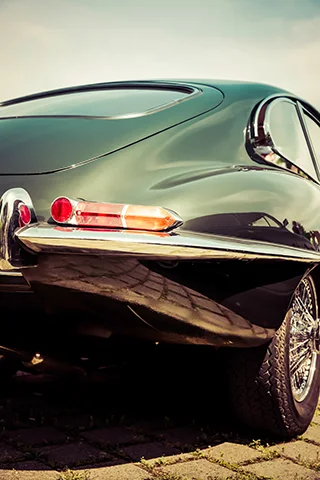
Classic Car Transport Services
Classic cars need more than a generic transportation plan. Older suspension systems, long wheelbases, low ground clearance, manual transmissions and decades-old mechanical components can all affect how a vehicle should be loaded, positioned and moved.
Heights Transport Solutions coordinates classic car shipping with those details in mind, helping owners, collectors, buyers and sellers move vehicles without adding unnecessary miles, wear or risk along the way.
Inspection, Insurance and Peace of Mind
Carriers transporting vehicles for Heights are required to maintain cargo insurance while vehicles are in transit. You can learn more about those requirements on our insurance and compliance page.
Each vehicle is inspected at pickup and again at delivery. Photos document the vehicle’s condition, including existing cosmetic damage or imperfections before transport begins.
That documentation is especially important with classic cars, where paint, trim and body components can be difficult or expensive to repair or replace.
Whether the car is traveling across the state or across the country, Heights coordinates nationwide vehicle transport with the condition, value and handling needs of the vehicle considered before pickup.
Transport Built Around the Needs of Older Vehicles
A classic car can behave very differently from a modern passenger vehicle during loading and transport. Heavy steel construction may create uneven weight distribution, older suspension systems can compress differently, and long front or rear overhangs may require more careful trailer positioning.
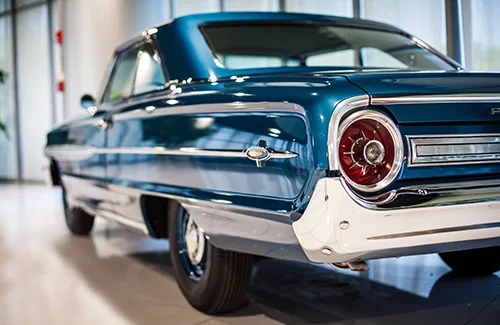
Many classics also have manual steering, manual brakes, manual transmissions or controls that are unfamiliar to drivers who spend most of their time around newer vehicles. Letting us know about those details before pickup helps make sure the carrier is prepared.
Extra Protection for Paint, Trim and Bodywork
For restored, high-value or especially well-kept vehicles, Heights generally recommends enclosed auto transport. Enclosed shipping helps shield the vehicle from road debris, dust, moisture, salt, sun and changing weather conditions during transit.
That added protection matters with classic paint and trim. Matching a modern factory finish is one thing. Matching paint applied decades ago can be considerably more complicated, and replacement trim is not always waiting on a warehouse shelf.
For classics that do not require that added level of protection, open auto transport may still be a practical option.
Careful Loading for Low, Long and Unpredictable Cars
Some classic cars are simply more challenging to load. Low ride height, long wheelbases and extended body overhangs can make trailer angles more important than they are with a typical modern car.
Older vehicles may also stall, brake differently or have steering play after sitting for long periods. A winch may be needed when a vehicle cannot be reliably driven onto the trailer.
The goal is simple: know what the carrier is dealing with before the truck arrives. A surprise manual transmission is manageable. A surprise car that has not started since 1997 is considerably less charming.
Shipping an Inoperable Classic
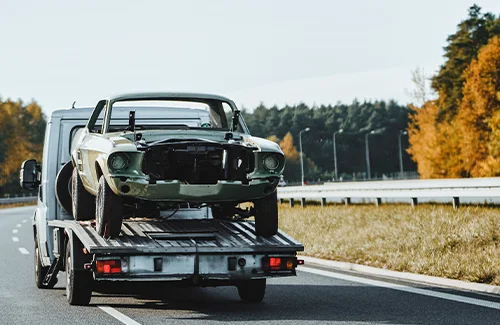
An inoperable classic can often still be transported, but it may require extra equipment and loading time.
A vehicle that does not start but can roll, steer and shift into neutral may be loaded with a winch. Cars with missing wheels or other major mechanical limitations may require specialized equipment to safely get them onto the trailer.
If the vehicle is not currently running, make that clear when arranging transport so the correct carrier and equipment can be scheduled from the beginning.
Choosing Open or Enclosed Classic Car Transport
The right transport method depends on the vehicle itself. A restored show car, rare collector vehicle or classic with difficult-to-match paint may be better suited for enclosed shipping. A driver-quality classic or project vehicle may not need the same level of protection.
Owners can learn more about available transport services and compare options before deciding which approach makes the most sense for their vehicle.
Classic cars purchased or sold through an auction may also benefit from coordinated auction vehicle transport, especially when pickup timing or storage deadlines are involved.
What Affects Classic Car Shipping Cost and Timing
Distance, route, season and trailer type all affect auto shipping cost, but vehicle length can be especially important with classics.
Many older vehicles are considerably longer than modern passenger cars. That extra length takes up more trailer space and can reduce how many vehicles a carrier can haul on the same load.
Enclosed transport, inoperable vehicles and specialized loading needs may also affect pricing.
Weather can influence timing as well. Cold winter conditions may make older cars harder to start and can add time to loading and unloading. Our guide to how long auto shipping takes explains some of the other factors that affect pickup and delivery schedules.
Get A Transport QuoteFrequently Asked Questions
For restored, high-value or especially well-kept classic cars, enclosed transport is usually the best choice because it helps protect the vehicle from road debris, dust, moisture, salt, sun and changing weather conditions. Open transport can still make sense for some driver-quality classics or project vehicles.
Yes, many inoperable classic cars can still be transported. If the vehicle can roll, steer and shift into neutral, it may be loaded with a winch. Vehicles with missing wheels or more serious mechanical limitations may require specialized equipment and additional planning.
It can. Low ride height, long wheelbases and extended front or rear overhangs can make trailer angles and vehicle positioning more important during loading and unloading. These details should be discussed before pickup so the carrier can plan accordingly.
Distance, route, timing and trailer type all affect the cost, but vehicle length can be especially important with classic cars. Many older vehicles are longer than modern passenger cars and take up more trailer space. Enclosed transport, inoperable vehicles and specialized loading needs can also affect pricing.
Carriers transporting vehicles for Heights are required to carry cargo insurance while vehicles are in transit. The vehicle is also inspected at pickup and delivery, with photos used to document its condition and any existing cosmetic damage.