
How Much Does It Cost to Ship a Car?
Car Shipping Prices Aren’t One-Size-Fits-All
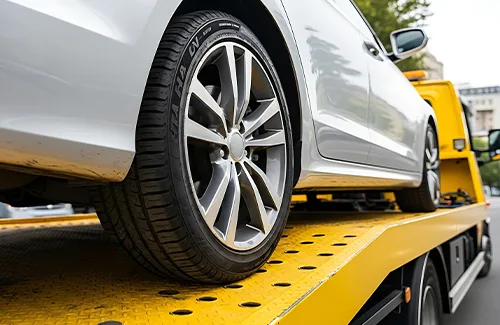
The cost to ship a car is not based on one flat rate. It depends on how easily your vehicle can fit into a carrier’s route when you need it moved. Distance matters, but so do the pickup and delivery locations, vehicle size, transport type, timing, season, fuel prices and current carrier demand.
A standard car moving between two major cities with a flexible schedule will usually be easier to coordinate than an oversized truck in a rural area that needs to be picked up tomorrow. The easier the shipment is to work into a carrier’s route, the more options you generally have.
What Affects the Cost to Ship a Car?
Distance and route: Longer trips generally cost more overall, but mileage is only part of the equation. Popular routes with regular carrier traffic can be easier to schedule than routes far from major highways or common transport lanes.
Pickup and delivery locations: Vehicles located near major cities and interstates are often easier for carriers to work into their routes. Rural or hard-to-access locations can require additional time or mileage.
Vehicle size and weight: A larger or heavier vehicle takes up more trailer space and carrier capacity. Lifted trucks, long-bed pickups, duallys and other oversized vehicles may cost more than a standard passenger car.
Type of transport: Open transport is generally the more economical option. Enclosed transport provides additional protection and typically costs more.
Timing and flexibility: A wider pickup window gives more carriers an opportunity to fit your vehicle into an existing route. A specific date, narrow window or expedited shipment can limit your options and increase the price.
Season and demand: Auto transport pricing changes with supply and demand. Seasonal moves, holidays, weather patterns and the number of carriers available on a route can all affect pricing.
Fuel prices and special requirements: Fuel costs affect carrier operating expenses, while inoperable vehicles, unusual dimensions or special loading requirements may require different equipment or additional coordination.
Why Are Car Shipping Quotes So Different?
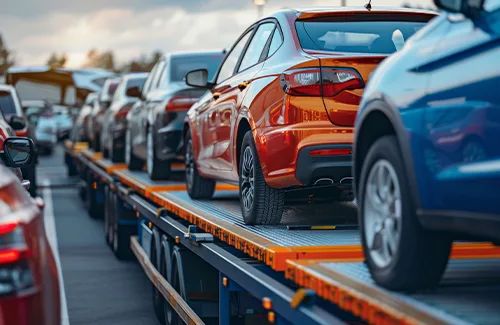
One of the most confusing parts of auto transport is seeing very different prices for what appears to be the same shipment. The reason is that carriers choose the loads they want to take based on their route, schedule, available trailer space and what the shipment pays.
If a vehicle is priced too low for the current market, carriers may simply pass on it. That can mean a longer wait while the shipment sits until a driver is willing to accept it or the price is adjusted.
The lowest quote is not automatically the best deal. A realistic quote needs to balance cost with the likelihood that a qualified carrier will actually accept and move the vehicle.
Flexibility Can Help Lower Your Shipping Cost
If your schedule allows some flexibility, it can make a meaningful difference. Giving carriers a wider pickup window creates more opportunities to match your vehicle with a truck already traveling in the right direction.
Even an extra day or two can sometimes help. The opposite is also true. If you need a specific pickup date, a very narrow time window or expedited service, fewer carriers may be able to accommodate the shipment and the price may need to be higher.
How to Keep Car Shipping Costs Down
- Be flexible with pickup dates. A wider pickup window gives carriers more opportunities to fit the shipment into their route.
- Use open transport when appropriate. Open carriers are more common and typically less expensive than enclosed transport.
- Consider a more accessible pickup or delivery location. If you are in a very rural area, meeting near a major highway or larger city may create more carrier options.
- Plan ahead when possible. Last-minute shipments give carriers fewer scheduling options and may cost more.
- Provide accurate vehicle information. Lift kits, oversized tires, vehicle dimensions and operating condition can all affect the equipment and trailer space required.
- Compare realistic quotes, not just the lowest number. A cheaper quote does not help much if no carrier is willing to move the vehicle at that price.
What to Expect After You Receive a Quote
Auto transport does not work exactly like an appointment-based delivery service. A carrier is not necessarily assigned the moment you book, and pickup and delivery are usually scheduled within windows rather than guaranteed exact times far in advance.
Once a carrier is assigned, timing and communication become more specific because there is now an actual driver and route involved. Even then, traffic, weather, equipment problems and changes elsewhere along the route can affect the schedule.
If your timing is especially important, make that clear when requesting your quote. A shipment that needs to move quickly or within a narrow window may require a different pricing and scheduling approach than one with several days of flexibility.
Frequently Asked Questions
Distance, route, pickup and delivery location, vehicle size and weight, transport type, timing, seasonality, fuel costs and current carrier demand can all affect the price.
Different companies may estimate the current carrier market differently. A very low quote can also be difficult to match with a driver if carriers are accepting higher-paying loads on the same route.
Often, yes. A wider pickup window gives carriers more opportunities to fit your vehicle into an existing route and can make the shipment easier to coordinate.
Yes. Larger and heavier vehicles take up more trailer space and carrier capacity. Lifted trucks, oversized tires and other modifications can also affect pricing.
Typically, yes. Enclosed carriers provide additional protection and carry fewer vehicles, so enclosed transport generally costs more than standard open transport.
A short pickup window limits the number of carriers that can realistically take the shipment. A higher price may be needed to attract a driver who can accommodate the tighter schedule.