
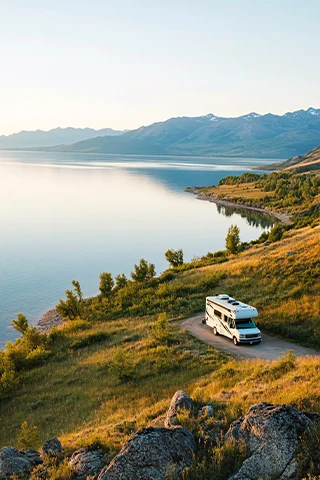
RV & Camper Transport Services
RV travel gives you plenty of freedom, right up until you realize you have an RV, a camper, a car and only one person available to drive all of them.
Heights Transport Solutions coordinates RV and camper transport along with vehicle shipping for travelers who need equipment or personal vehicles moved between destinations.
Transport the RV, Camper or the Car
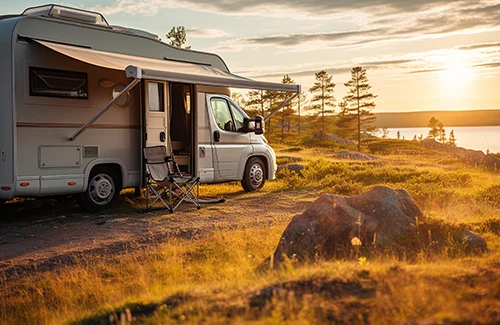
Sometimes the camper itself needs to move because there is no tow vehicle available. Other times the RV is making the trip under its own power, but the owner does not want to tow a car behind it.
Heights can help coordinate either situation depending on the equipment being moved, its dimensions and the route.
For personal vehicles traveling separately from the RV, open auto transport is often an affordable option, while enclosed transport may make more sense for vehicles requiring additional protection.
Seasonal Travel and Snowbird Moves
RV and camper owners frequently move between seasonal destinations in the fall and spring. That may mean transporting the camper itself, moving a smaller vehicle to the destination or relocating both at different times.
Those months also overlap with snowbird season, when carrier availability becomes tighter and prices can increase.
If seasonal travel is part of your routine, our snowbird vehicle transport page explains those scheduling realities in more detail.
Campgrounds Are Not Always Transport-Truck Friendly

Large transport trucks need room to enter, turn around, load and unload safely. Some campgrounds and RV parks simply do not have enough access for that.
If the carrier cannot safely reach your campsite, pickup or delivery may need to happen at a nearby parking area or other accessible meeting point.
We would rather move the meeting point than watch a full-size transport truck attempt a three-point turn between somebody's awning and picnic table.
The RV or Camper Needs to Be Road Ready
Customers sometimes assume a camper can simply be hooked up and transported because it has wheels underneath it. Before transport, its condition needs to be understood.
Tires, securement points and the general roadworthiness of the camper can all matter. Sway or equipment condition may also affect how the unit can be moved safely.
Accurate information about the RV or camper helps Heights identify the appropriate carrier and transport method before pickup.
Buying, Selling or Relocating an RV
Transport is also useful when buying or selling an RV or camper in another state, relocating across the country or moving a unit between a residence, storage location and seasonal park.
Full-time RV travelers may also need a personal vehicle moved between regional bases or transported after purchasing a car while already on the road.
Heights coordinates nationwide transport for these long-distance moves.
Timing Depends on the Trip
Weather, traffic, seasonal demand, equipment requirements and carrier availability can all affect pickup and delivery timing.
Dates should be treated as estimates, especially when travel plans involve campgrounds or other locations with limited access.
Our guide to transport timing explains the broader factors that can affect scheduling.
What RV and Camper Transport Costs
Pricing depends heavily on what is being transported. Size, weight, distance, equipment requirements, route, season and pickup or delivery access can all influence the cost.
A small travel trailer and a large motorhome are understandably not the same transportation problem.
For general pricing factors, see our vehicle shipping cost guide.
Insurance and Inspection
Heights works with carriers that meet our insurance requirements for the equipment they transport.
Condition should also be documented at pickup and delivery so there is a clear record before and after transport. More information is available on our insurance and compliance page.
Frequently Asked Questions
Yes. Transport options depend on the RV or camper's size, weight, condition and configuration. Providing accurate details helps Heights match it with the appropriate equipment and carrier.
Yes. Many RV travelers ship a personal vehicle separately rather than towing it behind the RV for a long-distance or seasonal trip.
Sometimes. Large transport trucks need enough room to safely enter, turn and unload. If the campground cannot accommodate the carrier, pickup or delivery may need to happen at a nearby accessible location.
The camper should be in suitable condition for the type of transport being arranged. Tires, roadworthiness, securement points and any known problems should be discussed with Heights before pickup.
Yes. Seasonal RV, camper and vehicle moves are common. Fall and spring are busy transport periods, so additional notice and some flexibility with dates can make scheduling easier.
Discuss anything you plan to leave inside with Heights before transport. Avoid leaving valuables unless the arrangements and applicable coverage have been clearly established beforehand.