
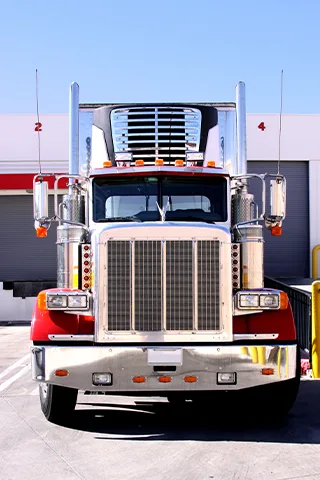
Power Only Transport & Trailer Hauling
Power-only transport is for situations where you already have the trailer or towable equipment but need the truck and driver to move it.
Instead of loading your trailer onto another trailer, Heights Transport Solutions coordinates a qualified driver with the appropriate tow vehicle and connection to pull your equipment from pickup to destination.
You Provide the Trailer. We Coordinate the Power.
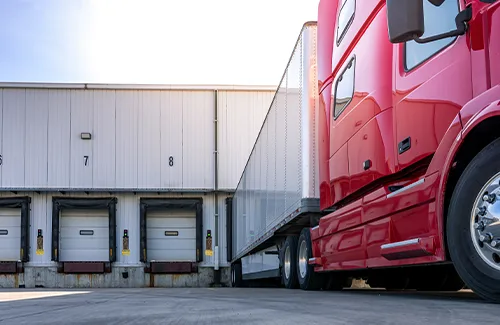
Power-only hauling can be used for campers, RV trailers, commercial trailers, boats on trailers and other towable equipment.
The concept is simple: your trailer stays on its own wheels while the carrier supplies the truck and driver needed to move it.
That can make sense when you do not own an appropriate tow vehicle, do not have an available driver or simply do not want to dedicate your own truck and several days of travel to the move.
The broader trucking industry uses the same basic definition. Power-only service means the shipper supplies the trailer while the carrier supplies the tractor and qualified driver.
The Right Hitch Matters
Not every truck can connect to every trailer.
Before arranging transport, Heights needs to know how the trailer connects so we can look for equipment with the appropriate hitch setup. Depending on the trailer, that may include a bumper hitch, gooseneck or fifth-wheel connection.
Trailer length, weight and configuration also matter when matching the equipment with an experienced driver.
Campers and Seasonal Moves
Power-only transport is especially useful for camper owners who need their trailer moved between seasonal locations but do not have a truck available to pull it.
Snowbirds may use power-only hauling to move a camper south in the fall and back home again in the spring.
Campground deadlines can make timing important, and some customers may also need the driver to maneuver the camper into its final location. Those requirements should be discussed before transportation is arranged.
For travelers who also need a personal vehicle moved, see our RV and camper transport information.
Trailer Purchases and Commercial Equipment
Power-only service is not limited to recreational trailers.
A customer may purchase a new trailer several states away and need it delivered without sending their own truck and driver to retrieve it. Businesses may have similar needs when moving grain trailers, van trailers, semi-trailers or other towable equipment between locations.
Power Only Can Help After a Breakdown
Sometimes the need is considerably less planned.
If a truck breaks down while pulling a trailer, a power-only driver may be able to take over the trailer portion of the trip while the disabled truck is handled separately.
In those situations, speed matters, but so does finding a driver who understands the equipment and can respond appropriately if a tire, light or other minor trailer issue develops along the way.
Your Trailer Needs to Be Road Ready
Because the trailer travels on its own tires, suspension, lights and running gear, its condition matters before transport begins.
The customer should provide accurate information about the trailer, and known mechanical or safety problems need to be disclosed before a driver is assigned.
A driver can be mechanically capable without being expected to transform a neglected trailer into a freshly serviced one on the shoulder of an interstate. Tires and equipment condition deserve attention before departure.
Driver Experience Matters More With Power Only
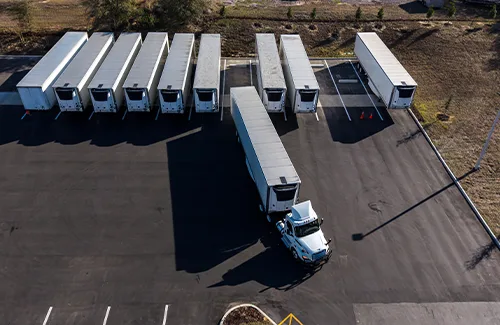
A longer or heavier trailer behaves differently from an ordinary passenger vehicle, so matching the shipment with an experienced driver is particularly important.
Heights considers the trailer type, route, connection, weight and customer priorities when looking for a driver. Communication ability, insurance, equipment condition and safety performance are also part of the carrier selection process.
What Power Only Transport Costs
Cost depends on the route, distance, trailer type and size, weight, timing, driver availability and equipment needed to connect and tow the trailer.
Urgent breakdown situations or narrow pickup and delivery windows can increase the cost because Heights has fewer drivers and schedules to work with.
The market also matters. A trailer that can move within a flexible window gives us more opportunities to find an appropriate driver than one that must leave tomorrow morning.
Industry pricing is similarly affected by factors such as distance, trailer type, fuel rates and carrier demand.
Insurance and Communication
Before assigning a power-only carrier, Heights verifies the applicable insurance and makes sure the driver's equipment is appropriate for the trailer being moved.
If valuable items are being transported inside a camper or trailer, discuss them with Heights before pickup so they can be addressed appropriately and documented when necessary.
Once transportation begins, Heights stays involved with communication and lets the customer know when pickup or delivery timing changes.
More information about carrier requirements is available on our insurance and compliance page.
Frequently Asked Questions
Power only transport means you provide the trailer and the carrier provides the truck and driver needed to pull it to the destination. The trailer travels on its own wheels rather than being loaded onto another trailer.
Power only transport may be used for campers, RV trailers, commercial trailers and other towable equipment. The trailer needs to be roadworthy, and Heights must find a truck with the correct connection and towing capability.
Yes, depending on the trailer and available carrier. Tell Heights whether the trailer uses a fifth-wheel, gooseneck, bumper-pull or other connection so we can match it with the proper tow vehicle.
Yes. Seasonal camper moves are a common use for power-only transport. Fall and spring can be busy transportation periods, so advance notice gives Heights more options when finding an appropriate driver.
Potentially. Heights can look for a qualified driver and truck to take over the trailer portion of the trip. Availability, location, trailer type and connection will determine how quickly the move can be arranged.
Yes. Because the trailer travels on its own tires and running gear, it needs to be suitable for road transport. Tell Heights about tire, lighting, braking or other known equipment problems before a driver is assigned.