

College Car Shipping for Students
When college is several states away, getting a student's car to campus can turn into its own little relocation project. Driving means added mileage, fuel, hotel stops and a long trip at the exact time everyone already has plenty going on.
Heights Transport Solutions coordinates college car shipping for students heading to school in the fall, coming home in the spring and moving between campus and home throughout the year.
Skip the Long Drive to Campus

Shipping the car can save wear on the vehicle and avoid putting a student behind the wheel for an all-day or multi-day drive.
That can be especially helpful for freshmen, student athletes or anyone attending school far enough away that “we'll just drive it” starts sounding considerably less fun after looking at the map.
Heights coordinates nationwide vehicle transport for students attending colleges across the country.
Open Transport Keeps Costs Down
Most student vehicles are shipped using open auto transport. It is generally the most affordable option and works well for everyday cars, SUVs and pickups.
Enclosed transport is also available when a vehicle needs additional protection or when the owner simply prefers it.
Plan Around the College Calendar
Fall move-in and spring move-out naturally create busy travel periods. Those dates can also overlap with snowbird season, when carrier demand increases and availability may become tighter.
Booking with some flexibility gives us more room to find the right carrier at a reasonable price.
Pickup and delivery dates are estimates rather than promises carved into stone. Weather, traffic, other vehicle stops and carrier schedules can all affect arrival times. Learn more about how long auto shipping takes.
Personal Items Inside the Car
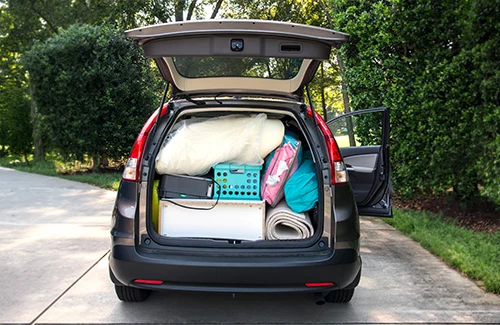
Students occasionally want to use the car as one final moving box. We understand the temptation.
If personal belongings will be inside the vehicle, let Heights know before transport. Carrier rules and coverage for personal property can differ, and valuables should generally stay out of the vehicle.
The car is the thing being transported and insured. The laptop, gaming console and mysteriously valuable collection of dorm-room belongings are a different conversation.
What College Car Shipping Costs
Price depends on distance, route, vehicle size, transport method, season and carrier availability.
Fall and spring demand can affect rates, so families with flexible schedules may have more options than those working with a very narrow pickup window.
Our auto shipping cost guide explains the major factors that go into pricing.
Insurance and Vehicle Condition
Carriers transporting vehicles for Heights are required to maintain cargo insurance while the vehicle is in transit.
The vehicle is inspected at pickup and again at delivery, with photos used to document its condition and any existing damage.
You can learn more about carrier requirements on our insurance and compliance page.
Frequently Asked Questions
College car shipping costs depend on distance, route, vehicle size, transport method, season and carrier availability. Fall and spring can be especially busy because college moves may overlap with seasonal vehicle shipping.
Yes. Heights coordinates nationwide transport to and from college areas. The exact pickup or delivery point will depend on whether the carrier can safely access the requested location with a large transport truck.
Open transport is usually the most practical and affordable option for a student's everyday vehicle. Enclosed transport is available for vehicles that need additional protection or when the owner prefers it.
Possibly, but carrier rules vary and personal belongings may not be covered by the carrier's vehicle cargo insurance. Let Heights know before packing anything inside, and avoid placing valuables in the vehicle.
Pickup and delivery dates are estimates. Weather, traffic, carrier schedules and other pickups or deliveries along the route can cause delays, so some flexibility around move-in or move-out day is helpful.
Yes. Students commonly ship vehicles to campus in the fall and back home in the spring or summer. Planning ahead can help when those dates fall during busy seasonal transport periods.