

Rental Car Fleet Transport Services
Rental car companies may need vehicles moved between locations, into or out of service, or to dealerships, auctions and other facilities as fleet needs change.
Heights Transport Solutions coordinates vehicle transportation for rental car companies that need one vehicle or multiple units moved without assigning employees to make the drive themselves.
Moving Rental Vehicles Between Locations
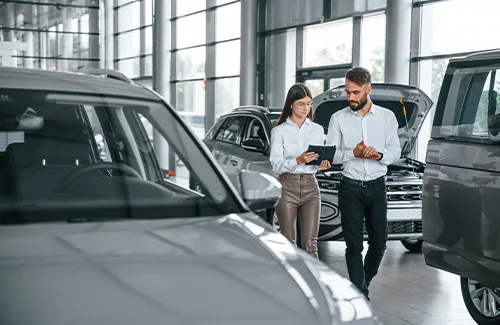
Fleet vehicles are not always needed where they currently happen to be.
Transportation can help move vehicles between rental locations, regional facilities and other business destinations without adding unnecessary mileage or tying up employees with relocation drives.
For companies operating across multiple markets, professional transport can also make longer-distance vehicle moves easier to coordinate.
Adding and Removing Fleet Vehicles
Rental fleets change over time as vehicles are purchased, replaced or removed from service.
New vehicles may need to be transported from dealerships, manufacturers or other facilities into the rental fleet. Vehicles leaving service may need to move to dealerships, auctions, buyers or storage locations.
When vehicles are moving through an auction, Heights also provides auction vehicle transport.
One Vehicle or Multiple Units
Rental fleet transportation may involve a single vehicle or several vehicles moving together.
Whether multiple units can travel on the same carrier depends on their pickup locations, destinations, vehicle size, timing and available trailer capacity.
Open Transport for Standard Rental Vehicles
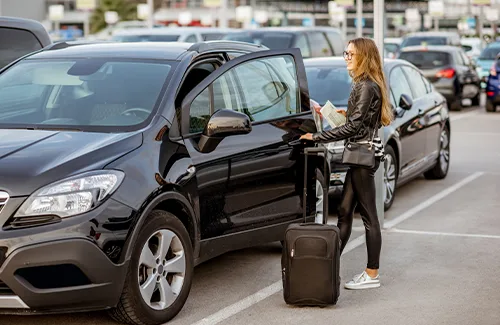
Most standard rental cars can be transported using open auto transport.
Open carriers are commonly used for multi-vehicle moves and generally provide a practical option for ordinary passenger vehicles.
Enclosed auto transport may be appropriate for luxury, specialty or other vehicles that need additional protection from weather and road debris.
Scheduling Matters When Vehicles Are Business Assets
A vehicle being transported is temporarily unavailable for use, so pickup and delivery timing can affect the rental company's plans.
Accurate vehicle availability, pickup information and delivery contacts help Heights coordinate transportation around the required schedule.
If a shipment has a particularly narrow timeline, expedited auto transport may be considered depending on the route and carrier availability.
Vehicle Condition and Documentation
Vehicle condition should be documented when the carrier takes possession and again at delivery.
This helps establish the condition of the vehicle before transportation and provides a clear comparison when it reaches the destination.
Clear Information Makes Fleet Moves Easier
Rental vehicle transport may involve different pickup contacts, delivery locations and business personnel.
Providing accurate vehicle information, addresses, timing requirements and contact details helps reduce unnecessary delays during pickup and delivery.
When something changes, clear communication matters because the business may already be planning around the arrival of that vehicle.
What Rental Car Fleet Transport Costs
Transportation cost can depend on distance, route, vehicle size, number of vehicles, pickup and delivery timing, carrier availability and the type of trailer used.
Flexible scheduling generally gives Heights more carrier options, while narrow timing requirements can require additional coordination.
For more information about the factors that affect pricing, see our auto shipping cost guide.
Frequently Asked Questions
Yes. Heights can coordinate vehicle transportation between rental locations and other business facilities based on route, timing and carrier availability.
Yes. Multiple vehicles may be transported together depending on their locations, destinations, size and available trailer capacity.
Yes. Vehicles can be moved from dealerships, manufacturers and other facilities into the fleet or transported to auctions, buyers and other destinations when they leave service.
Open auto transport works well for most standard rental vehicles. Enclosed transport may make sense for luxury or specialty vehicles that need additional protection.
Potentially. Faster pickup or delivery depends on the route, carrier availability, number of vehicles and how specific the required timing is.
Common factors include distance, route, vehicle count, vehicle size, scheduling requirements, carrier availability and transport type.