
Oversized Truck & Vehicle Transport
Trucks take up more space than standard passenger cars, and once you add lift kits, oversized tires, long beds or extra width, transport becomes a little more specialized.
Heights Transport Solutions coordinates truck and oversized vehicle shipping based on the actual dimensions, weight, condition and modifications of the vehicle, not just the mileage between pickup and delivery.
Size Changes the Transport Plan
A long-bed crew cab, lifted pickup or dually can take up considerably more trailer space than a standard car. That affects how the vehicle is positioned, what equipment is needed and how many other vehicles can fit on the load.
Length, width, height and weight all matter. In this case, “it’s basically stock” is not quite enough information.
Lifted and Modified Trucks Need the Right Equipment
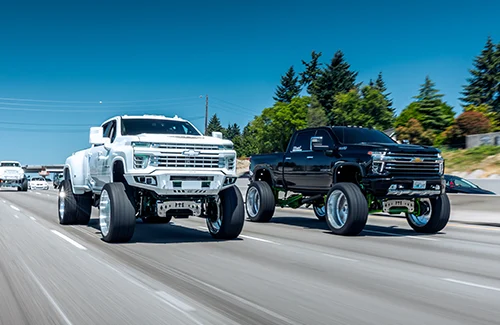
Lift kits, oversized tires and other modifications may require specialized trailers, heavy-duty securement or additional loading time.
Most trucks can move using open auto transport, while especially large or heavily modified vehicles may require a flatbed or other specialized trailer.
If the truck does not run, a carrier equipped with a winch may be needed to assist with loading.
Know the Truck Before the Carrier Arrives
The more accurate the vehicle information is up front, the easier it is to match it with the right carrier.
Important details include:
- Overall length, width and height
- Approximate weight
- Lift kits or lowered suspension
- Oversized tires or dual rear wheels
- Extended beds, racks or other modifications
- Whether the truck runs, rolls and steers
That helps avoid the classic transport problem of a truck arriving at the trailer and immediately proving it is much larger than everyone remembered.
What Oversized Truck Transport Costs
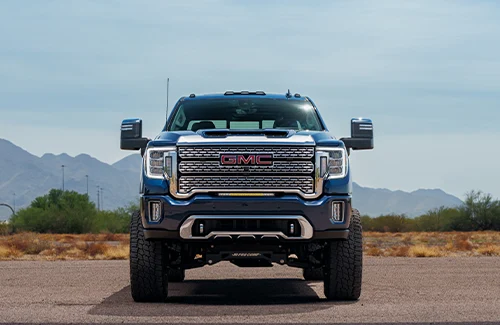
Truck size and weight can have a larger effect on shipping cost because bigger vehicles take up more trailer capacity and may require specialized equipment.
Distance, modifications, transport method, timing, location, operability and insurance requirements can also affect pricing.
Electric trucks may require additional planning because of their weight, while heavily modified trucks can narrow the number of suitable carriers.
Timing and Carrier Availability
Large and modified vehicles may take a little more coordination because the carrier pool is smaller. Seasonal demand, weather, location and trailer availability can all affect scheduling.
If timing is especially important, expedited vehicle transport may be available depending on the route and equipment required.
Our guide to how long auto shipping takes explains the broader timing factors.
Insurance and Inspection
Carriers transporting vehicles for Heights are required to maintain cargo insurance during transit.
The truck is inspected at pickup and again at delivery, with photos used to document its condition and any existing damage or cosmetic marks.
You can learn more about carrier requirements on our insurance and compliance page.
Nationwide Truck Transport
Heights coordinates nationwide vehicle transport for pickups, modified trucks and oversized vehicles moving for purchases, relocations, work assignments, shows and long-distance moves.
Big truck, weird setup, awkward dimensions. None of those automatically mean “no.” They just mean we need the right information before we build the transport plan.
Get A Transport QuoteFrequently Asked Questions
It depends on the truck's overall length, width, height and weight. Lift kits, oversized tires, long beds and dual rear wheels can also affect whether standard transport equipment will work.
Yes. Lifted trucks can usually be transported, but the added height needs to be known before scheduling so the carrier and trailer are appropriate for the vehicle.
Yes. Dual rear wheels increase the truck's width, so accurate dimensions are important when matching it with a trailer and carrier.
It can. Longer trucks take up more trailer space, which can reduce how many other vehicles fit on the same load and affect the transport price.
Usually, yes. An inoperable truck may require a carrier with a winch or other loading equipment. Let Heights know the vehicle's condition before pickup so nobody discovers the problem while staring at the trailer.
The best option depends on the truck's size, weight and modifications. Standard trucks may fit on an open auto carrier, while oversized or heavily modified trucks may require a flatbed or other specialized trailer.