
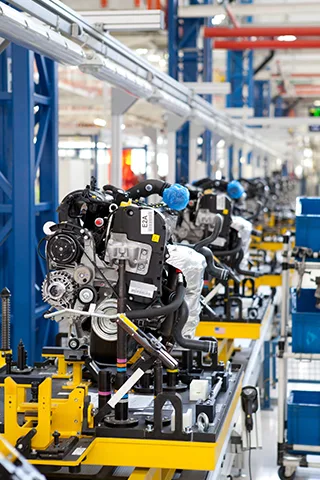
OEM Vehicle Transport for Manufacturers
Vehicle transportation does not end when a new vehicle leaves production. Vehicles may still need to move to dealerships, distributors, fleet customers, testing facilities, events or other destinations.
Heights Transport Solutions coordinates vehicle transportation for OEMs, manufacturers and other automotive businesses that need new or specialty vehicles moved across the country.
Getting New Vehicles Where They Need to Go
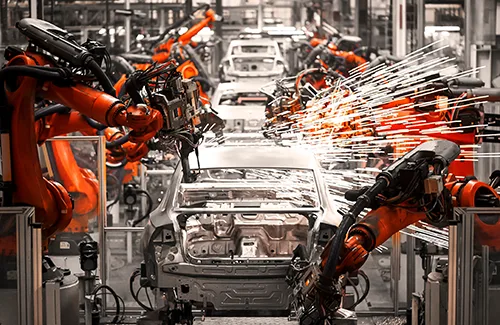
Manufacturers may need vehicles moved from production facilities, storage locations or distribution points to dealerships and other business locations.
That may mean transporting one vehicle, several units or coordinating regular shipments as vehicles are produced and distributed.
New Vehicles Need Careful Handling
Transporting a brand-new vehicle comes with high expectations. The vehicle needs to arrive ready for the dealership, customer or its next use.
Cosmetic condition, mileage, loading and unloading all matter. Damage during transport can create problems for the manufacturer and whoever is receiving the vehicle.
That is why choosing the right equipment, communicating with the carrier and documenting vehicle condition are important parts of the process.
Open and Enclosed OEM Transport
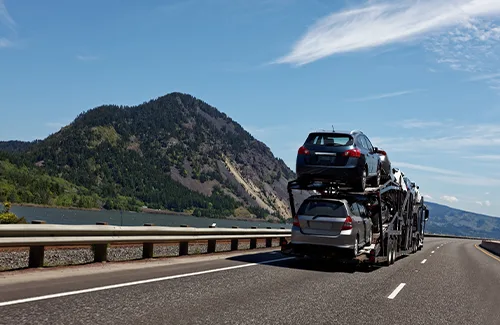
Depending on the vehicle and shipment requirements, OEM vehicles can move using either open auto transport or enclosed auto transport.
Open transport works well for many standard production vehicles and generally provides more carrier options.
Enclosed transport may be a better choice for prototypes, luxury models, specialty vehicles, show vehicles or other vehicles that need extra protection from weather and road debris.
Single Vehicles and Multiple Units
Every manufacturer shipment is different.
You may need one vehicle moved to a testing facility, several vehicles delivered to a dealership group or multiple units moved between facilities.
Heights can coordinate transportation based on the number of vehicles, their locations and destinations, vehicle size and required timing.
Multiple vehicles may be able to travel together depending on the route and available trailer capacity.
Dealership and Distribution Moves
Dealerships are one of the most common destinations for newly manufactured vehicles.
Additional transport may be needed when vehicles are moved outside the manufacturer's normal distribution process, redirected to another destination or shipped in smaller quantities.
For dealership-side transportation needs, Heights also provides auto dealership transport services.
Vehicles May Need to Move for More Than Sales
Manufacturers also move vehicles for reasons other than dealership inventory and customer sales.
Vehicles may need to travel to trade shows, demonstrations, testing facilities, photography or marketing events, training locations and other business destinations.
These shipments may have tighter schedules because the vehicle needs to arrive before a specific event, test or appointment.
If timing is especially important, expedited auto transport may be an option depending on the route and available carriers.
How Long Does OEM Vehicle Transport Take?
Pickup and delivery timing depends on the distance, route, carrier availability, vehicle type, transport method and flexibility of the pickup and delivery locations.
Common routes between major markets usually have more carrier options than specialized routes involving remote manufacturing or testing facilities.
Production schedules, vehicle release timing and facility access can also affect when a carrier can pick up the vehicle.
Documenting Vehicle Condition
The condition of each vehicle should be documented when the carrier picks it up and again when it reaches its destination.
This is especially important for new vehicles, where the expectation is that the vehicle arrives in the same condition in which it left the facility.
If your company has specific pickup, inspection or delivery requirements, let Heights know before transportation is arranged so they can be included in the planning process.
What Does OEM Vehicle Transport Cost?
OEM vehicle transport costs depend on the distance, route, vehicle size, number of vehicles, open or enclosed transport, timing and carrier availability.
Specialty vehicles, tight pickup or delivery windows and unusual destinations may require additional coordination and can affect the price.
For more information about transportation pricing, see our guide to auto shipping costs.
Clear Communication for Business Transport
OEM transportation may involve manufacturing staff, logistics teams, dealerships, receiving facilities and carriers.
Clear pickup information, delivery contacts and realistic timing help everyone involved know what to expect.
Heights coordinates the vehicle from its current location to its next destination while keeping the people involved informed along the way.
Frequently Asked Questions
OEM vehicle transport is the transportation of new or manufacturer-owned vehicles between production facilities, dealerships, distributors, fleet locations and other destinations.
Yes. Heights can coordinate multiple vehicles based on their locations, destinations, size, timing and available trailer capacity.
Open transport works well for many standard production vehicles. Enclosed transport may be a better choice for luxury, prototype, specialty or other vehicles that need extra protection.
Yes. Heights can coordinate transportation from a pickup facility directly to dealerships and other business locations.
Yes, depending on the route, carrier availability and vehicle requirements. Tighter pickup or delivery windows may require additional coordination.
Common factors include distance, route, vehicle size, number of vehicles, open or enclosed transport, timing and carrier availability.