
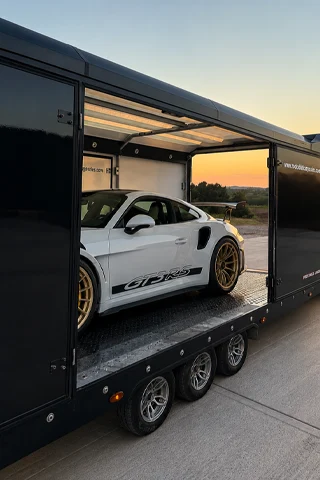
Enclosed Auto Transport & Car Shipping
Enclosed auto transport moves your vehicle inside a covered trailer rather than exposing it to weather, road debris, dust and other outside conditions during the trip.
It is commonly used for classic, luxury, exotic, restored, collector and higher-value vehicles, as well as anything where preserving the vehicle's condition matters more than finding the lowest-cost transport option.
More Protection Than Open Transport
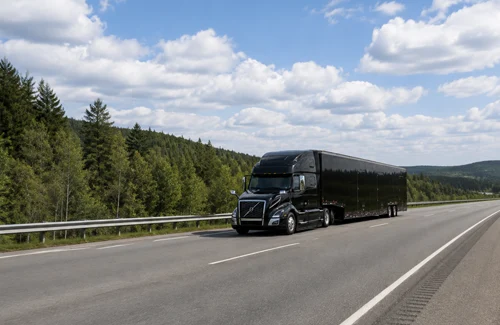
The biggest difference between enclosed and open auto transport is straightforward: the vehicle travels inside the trailer.
That means rain, road grime and flying debris stay outside while the vehicle is transported. Enclosed transport does not eliminate every possible transportation risk, but it reduces the outside exposure that comes with an open carrier.
If arriving with three states' worth of road dust is going to ruin your afternoon, enclosed transport starts making considerably more sense.
Built for Vehicles That Need Extra Care
Enclosed transport is especially useful for vehicles where value, rarity, condition or ground clearance changes how they need to be handled.
That includes classic cars, luxury and exotic vehicles, restored cars, show vehicles and other specialty vehicles.
Some enclosed trailers may also have equipment such as liftgates or extended ramps that can make loading very low-clearance vehicles easier. The right equipment depends on the specific vehicle, so ground clearance and modifications should always be disclosed before transport is arranged.
Fewer Vehicles and More Specialized Equipment
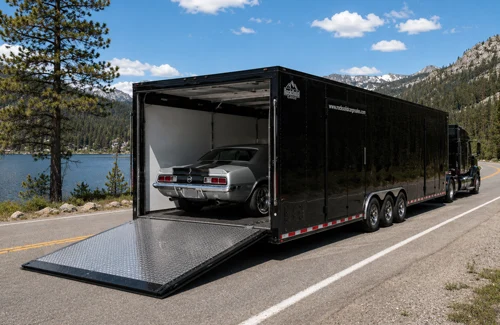
Enclosed carriers typically transport fewer vehicles than large open carriers. That generally means more room around each vehicle and fewer loading and unloading events along the route.
The trailers themselves can vary. Some are hard-sided, others use different enclosed configurations, and loading equipment can differ from one carrier to another.
That is why Heights looks at the actual vehicle and its requirements rather than treating every enclosed trailer as interchangeable.
Enclosed Transport for Individuals and Businesses
Individuals commonly choose enclosed shipping for collector cars, classics, luxury vehicles and other vehicles they want protected from outside exposure.
Businesses may use the same service when transporting high-value inventory, specialty vehicles, customer purchases or vehicles where arrival condition is particularly important.
The customer may be different. The basic transportation problem is not: get the right vehicle into the right enclosed trailer with the right carrier.
How Heights Coordinates Enclosed Transport
We start by gathering the vehicle year, make and model, pickup and delivery locations, whether it runs, its ground clearance, any modifications and your preferred timing.
From there, Heights evaluates the route and looks for a qualified enclosed carrier with equipment suited to the vehicle.
Once a carrier accepts the shipment, we provide the carrier, dispatcher and driver information along with estimated pickup and delivery dates and the shipment reference information.
At pickup, the vehicle is inspected and its condition documented before it is loaded and secured. A second inspection is completed at delivery.
Enclosed Transport Can Take Longer to Schedule
There are fewer enclosed carriers than open carriers, so enclosed transport may require more scheduling flexibility.
Choosing enclosed transport does not automatically make a shipment faster. Depending on the route and season, finding the appropriate trailer and experienced carrier can take longer.
If you have an especially narrow pickup window, talk with Heights early about availability or whether expedited transport may be appropriate.
What Enclosed Auto Transport Costs
Enclosed shipping generally costs more than open transport because the carriers haul fewer vehicles and the equipment and handling requirements are more specialized.
Distance, vehicle size and weight, ground clearance, whether the vehicle runs, pickup and delivery locations, route availability, seasonal demand, fuel costs and timing can all affect the final price.
A rural route or a vehicle requiring specialized loading equipment may also narrow the available carrier pool.
Our auto shipping cost guide explains the broader factors that influence transport pricing.
Not Every Car Needs an Enclosed Trailer
Enclosed transport provides additional protection, but that does not mean it is automatically the right choice for every vehicle.
If you are shipping a normal daily driver and your main priority is keeping transportation cost down, open transport will often make more sense.
Enclosed transport becomes more valuable when the vehicle's finish, rarity, value, low clearance or personal importance makes additional protection worth the extra cost.
Insurance and Vehicle Condition
Heights verifies carrier insurance before assigning a shipment, and vehicle condition is documented during pickup and delivery inspections.
Because insurance coverage can vary by carrier and vehicle value, higher-value vehicles should be discussed with Heights before shipment so the appropriate carrier and coverage requirements can be considered.
Learn more on our insurance and compliance page.
Frequently Asked Questions
Not every vehicle needs it. Enclosed transport is most useful when additional protection from weather and road exposure matters because of the vehicle's value, rarity, condition, ground clearance or personal importance.
Enclosed carriers typically haul fewer vehicles and may use more specialized equipment and loading procedures. There are also fewer enclosed carriers available, which can increase transportation cost.
Often, yes. Some enclosed carriers have liftgates, extended ramps or other equipment suited to low-clearance vehicles. Tell Heights the vehicle's ground clearance and any modifications before transport so the proper equipment can be arranged.
Not necessarily. Enclosed trailers can carry more than one vehicle, although they generally transport fewer vehicles than large open carriers. Ask Heights about the trailer configuration if this is important to you.
Not necessarily. Enclosed carriers are less common, so some routes can take longer to schedule. Timing depends on the route, vehicle, season, trailer requirements and carrier availability.
Enclosed trailers come in different configurations, including hard-sided and other enclosed designs. The right trailer depends on the vehicle, route, ground clearance and loading requirements.